June 29, 2006 at 7:26 a.m.
Nitrate testing sites processed in excess of 100 well samples
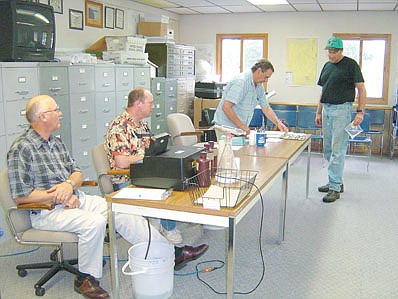
Nitrate testing sites processed in excess of 100 well samples
Jerry Spetzman, county water plan coordinator, said no samples brought into Wyoming were above the 10 parts per million (ppm) standard for nitrates in consumable water.
At North Branch several samples approached 9 ppm, however, no “pattern” was apparent as a hot spot for nitrates. “The discussion I had with people leads me to think the nitrates were from septic systems,” Spetzman remarked. There would need to be additional analysis to reach conclusions on any imminent hazard or to locate the cause of excessive nitrate. High nitrate well owners are advised to use bottled water for drinking.
The Wyoming Town Hall site was evenly busy through its morning hours of the free test program as samples were brought in by plastic baggie or in containers.
The spectrophotometer test only takes a couple minutes and during that time the property owners were asked to fill out an anonymous survey on well age, depth, etc. The people put adhesive stickers on a map noting the location of their well. Lee Nelson, said he’d had his well tested many years ago and figuring this was a free service, “You’d be dumb not to do it and see how your water is.” His well tested clean for nitrates.
Spetzman said people were waiting at North Branch when he and the test crew arrived to set up for the afternoon round of tests. “That’s good,” he continued. “We will definitely do this again next year and probably in North Branch because of the demand and its centralized location.”
The free nitrate test program is offered through the Minnesota Department of Agriculture. The nitrate tests are done once each year. Spetzman explained nitrate is particularly a problem for small children and elderly. It inhibits the body’s ability to circulate oxygen.
Should property owners want to test wells for bacteria or arsenic, for example, the county public health office would be your contact for a test kit. Spetzman said these types of tests require culturization and more in depth testing. The expanded contaminants test costs about $40.

Comments:
Commenting has been disabled for this item.