March 11, 2010 at 8:48 a.m.
Grown locally movement seeks public involvement with CSA farming
Grown locally movement seeks public involvement with CSA farming
The CSA farm list for sites in the east central part of Minnesota and the west central edge of Wisconsin is extensive. Some are organic and some farms are not. There are some farms that you have to spend time at and contribute labor into and there are farms that do all the work for you, and even deliver. Meat products and eggs are available at certain CSAs.
Just a few to consider are: Treasured Haven in Rush City, which is family run and provides not just produce but other farm goods, and even operates a sawmill operation. Call 320-358-3581.
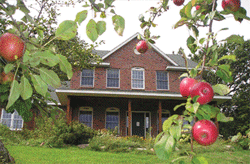
Womens Environmental Institiute in Almelund grows various produce and also has a large orchard that provides fruit-- contact at 583-0705.
Just across the river in Dresser and Osceola there's Philadelphia Community Farm, 715-294-4048, Common Harvest 715-294-2831, Honey Creek Farm 715-483-2598 or Foxtail at 715 294-1762.And in Washington County, just a few miles south in the Marine neighborhood, there's Celestial Harvest and Big River Farms. Big River pools produce grown on "mini-farms" on site. Contact it at 433-3676.
Sign up now for CSA's
Members in a CSA pay an up-front fee to the grower (ranging from about $400 to $700) in return for a "share" of the farm's products throughout the growing season. A share is typically a weekly box or basket of fresh produce but may also include meats, fresh flowers and other seasonal fare. The size of the share received varies with the seasons, but is commonly considered to be enough fresh food to feed a family of four meat-eaters or two vegetarians. Some CSA farms allow half or "split" shares which can be a good way to try the concept.
Many CSAs deliver shares to a drop-site location; others allow members to pick up their shares at the farm, sometimes for a discount. CSA farms also promote on-farm participation and they often host seasonal events to encourage customers to visit the farm. Weekly CSA newsletters may include updates on growing conditions and recipes that showcase the foods in season.
"CSA farms are good for both the farmer and consumer," says Brian Erickson, spokesman for the Minnesota Grown Program. "Farmers receive money at the start of planting season when they need it most and hungry consumers get the freshest food available. Many CSA members say sometimes they receive vegetables they've never tried before, and find them delicious." Erickson says as more consumers want to know where their food comes from, CSAs can strengthen their relationships with the farmers who can tell them how the food was grown.
A list of more than 50 Minnesota CSA farms can be found by searching the Minnesota Grown Directory at www.minnesotagrown.com. A list of area Wisconsin CSA sites is also on the internet.


Comments:
Commenting has been disabled for this item.